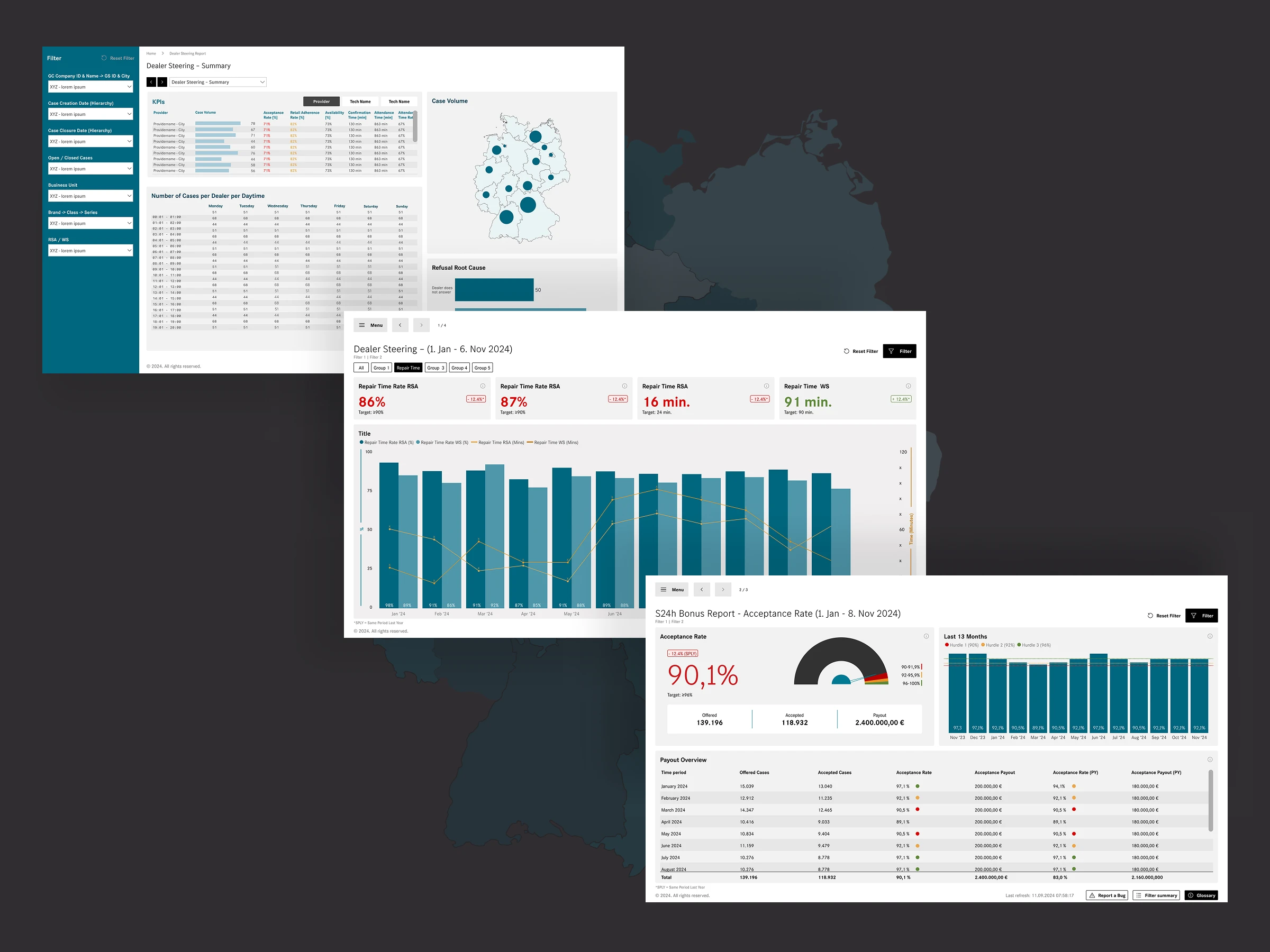
Exclusion Platform for Leading German Truck Manufacturer
The Case Exclusion Tool (CET) was conceived not as a simple dashboard module but as a core governance layer within the company’s reporting ecosystem. Serving as a regulatory control point, it ensures the integrity of Key Performance Indicators (KPIs) by enabling markets to systematically exclude case data tied to exceptional operational anomalies. This audit-ready mechanism reinforces compliance, transparency, and consistency across global performance reporting.
Role
Product Manager / Product Designer
Scope
Project Management, UX Research, Power Apps, Power BI
Category
Enterprise / Internal Tools / Operations
Outcome at a Glance
Replacing a restrictive legacy system, the solution introduced strict, auditable exclusion limits and a time-sensitive, multi-role approval workflow to balance accountability with efficiency.
5×
faster case submission
Project Overview
Team
Cross-functional team: 5 PMs, 2 Product Designers, 4 Engineers (App & Dashboard), 2 QA Testers. Managed resource allocation and synchronized deliverables across disciplines.
Role &Process
I led the end-to-end delivery of an enterprise case exclusion platform for a leading German truck manufacturer. Moving away from a restrictive legacy system, I oversaw the transition to a scalable solution built on Microsoft Power Platform. My role involved extensive stakeholder management across 30+ international markets, mitigating project risks, orchestrating iterative development cycles, and ensuring strict compliance with WCAG AA standards. The outcome was a high-performance application that accelerated process execution by 5×, delivered on time despite changing scopes and a complex team structure.
Challenge
The project addressed a core conflict between centralized data control and the operational autonomy of 30+ local markets. The challenge was to coordinate a massive digital transformation, balancing strict compliance rules with user efficiency. I had to align diverse stakeholder expectations, establish clear communication channels, and manage a multi-role approval workflow to ensure accountability while reducing KPI manipulation.
Resarch &Insights
Through rigorous stakeholder discovery and requirements gathering, we defined three core operational roles to streamline the process:
Market Requester
Submit large batches of exclusion requests at once, instantly see remaining quota, and receive automated confirmations and status updates.
HQ Approver
Work through a filtered, KPI-specific queue, rely on automatic duplicate and limit checks, and meet strict SLAs aided by progressive reminder nudges.
HQ Admin
View every market’s full queue in real time, override exclusion limits when necessary, and fine-tune country-specific thresholds directly in the dashboard.
Hypotheses &Ideation
Based on the Business Requirements Specification, we formulated strategic implementation plans focused on risk mitigation and process automation. I prioritized features using agile methodologies, ensuring that the development roadmap aligned tightly with business objectives and compliance constraints.

User Flows &Information Architecture
Working closely with engineering and design leads, I coordinated the architectural overhaul of the application. I managed the delivery of a Role-Aware Flow and automated workflows that eliminated manual delays. To adapt to continuous scope changes and aggressive timelines, I employed adaptive project planning, ensuring timely implementation of a 3-step reminder system and approval tracking.

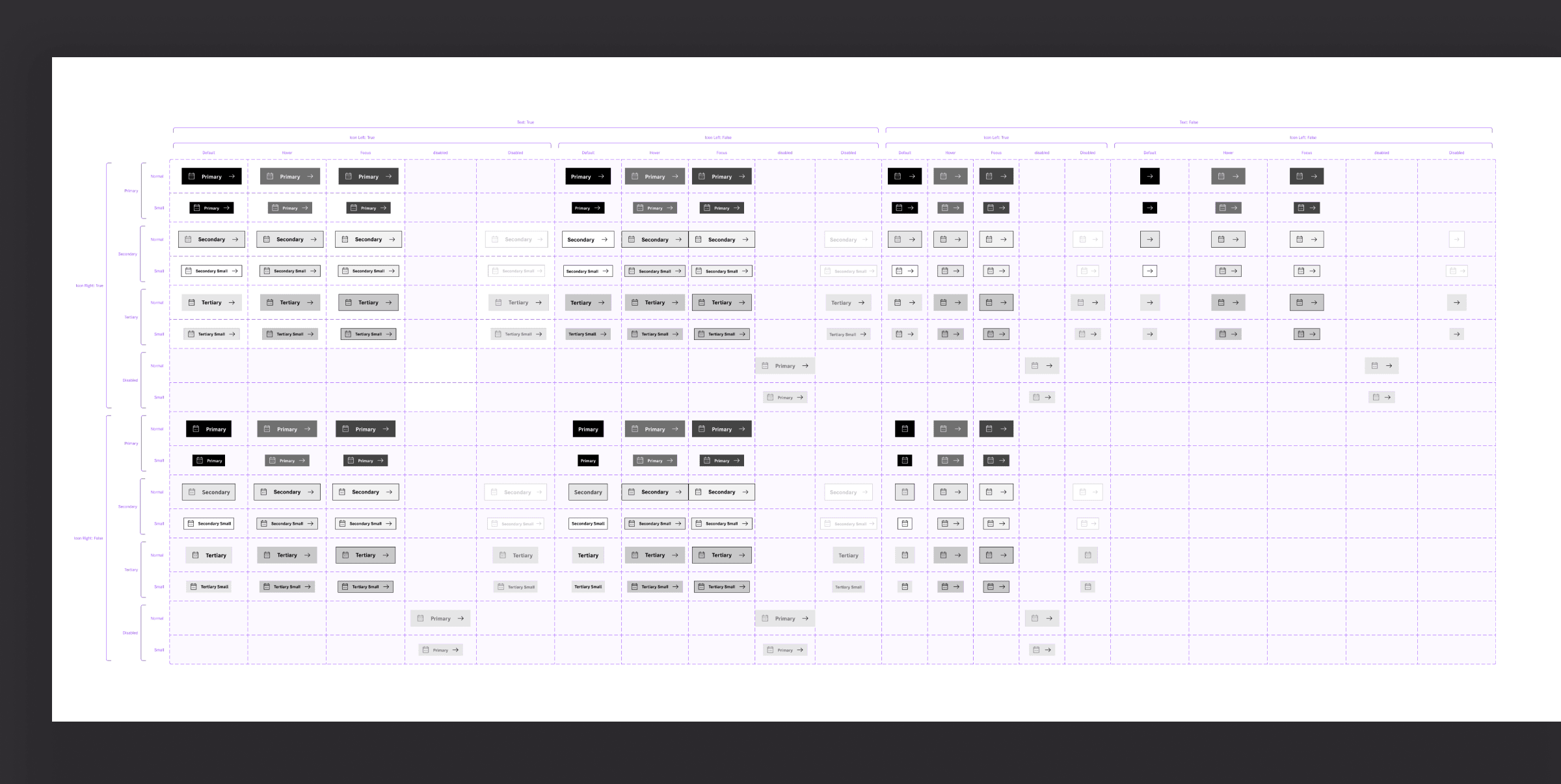
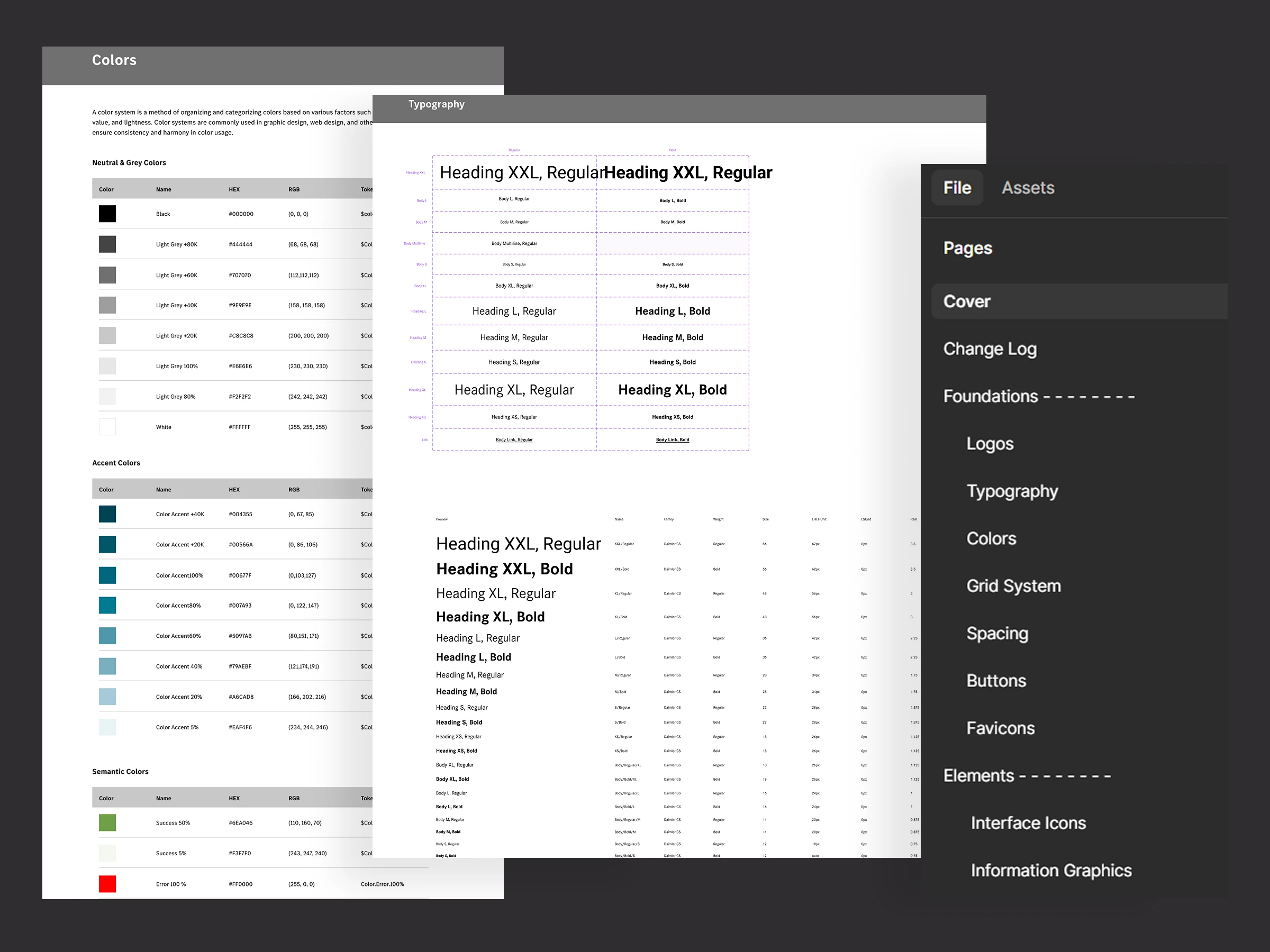
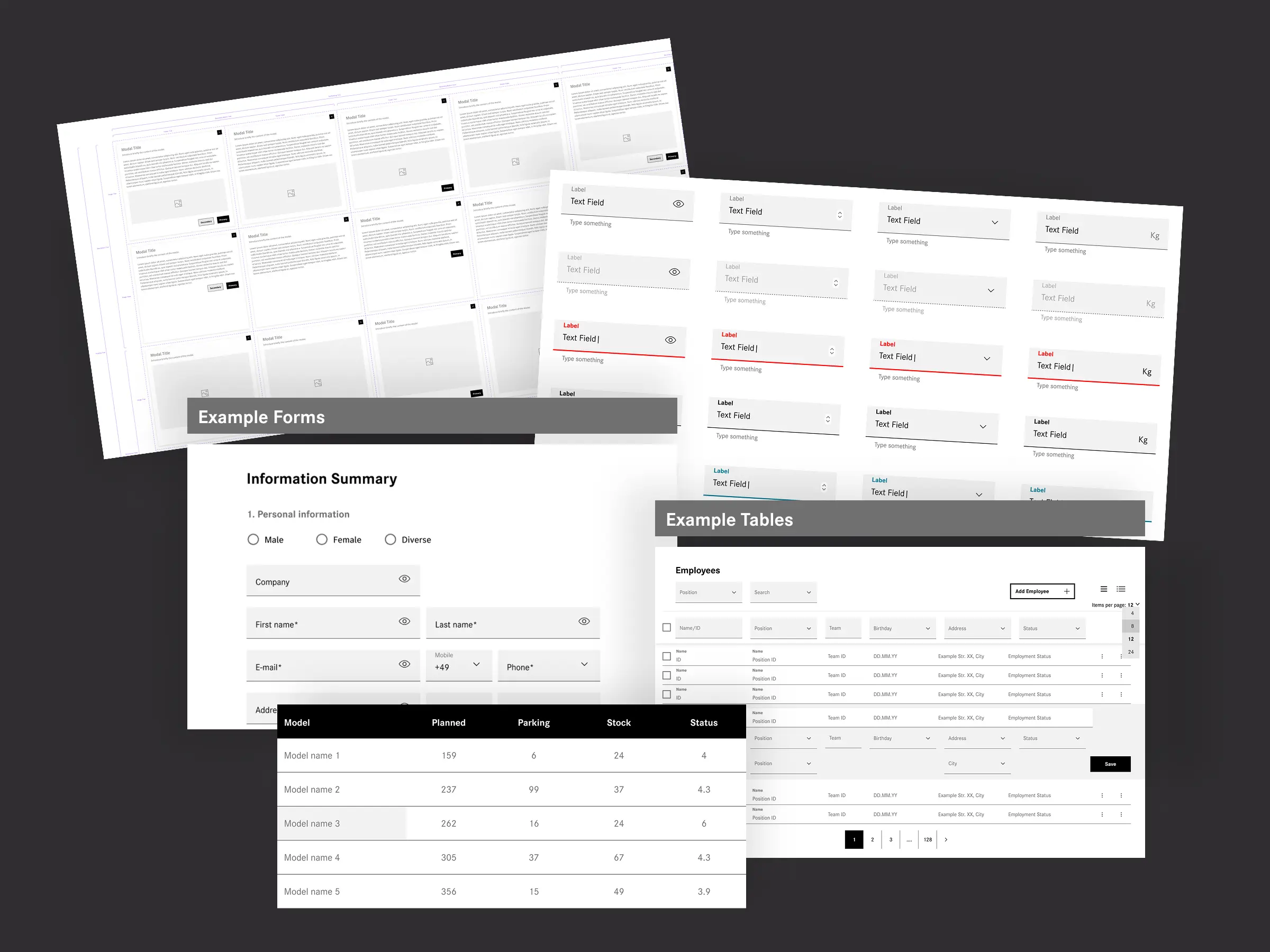
Work with Design System & Prototypes
Conclusion
Delivering a 5× faster, WCAG-compliant platform to 34 markets — despite holiday absences, shifting scope, and a complex stakeholder environment — demonstrated the impact of rigorous project management. Success was driven by front-loading requirement definitions, proactive bottleneck resolution, and maintaining a relentless focus on delivering measurable business value.
5× faster load
8s screens vs 40s legacy tool
95%
audit accuracy in root cause classification